About University

img
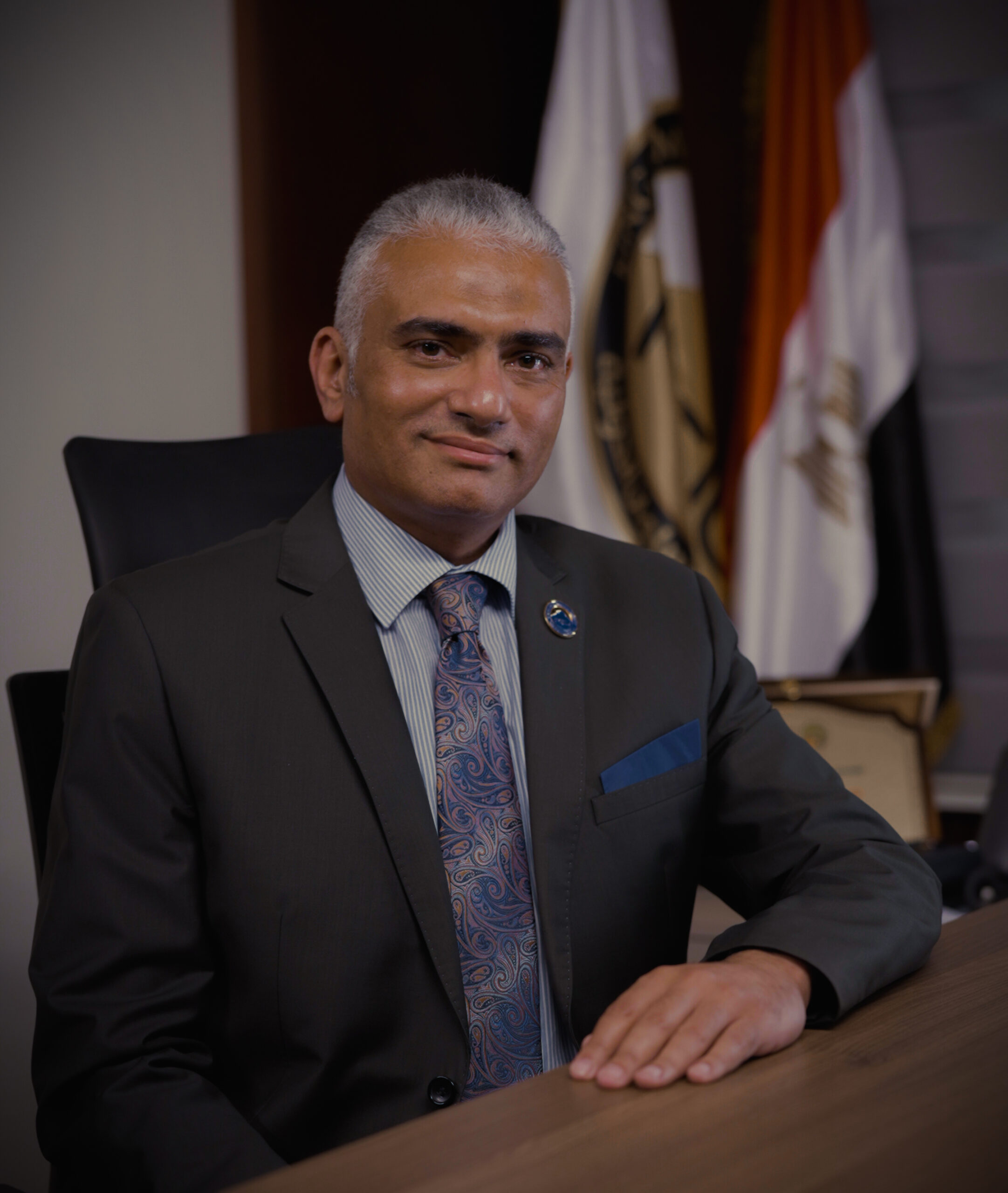
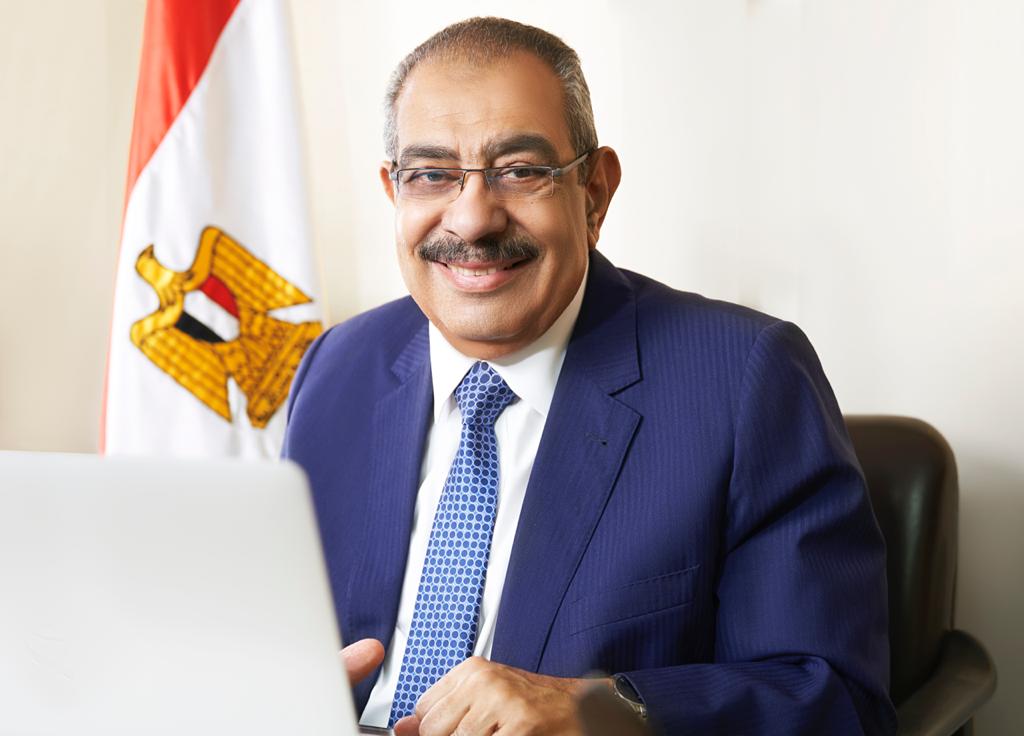
Prof. Mohammed Sheirah
Chairman of the Board of Trustees Speech

With much enthusiasm and great pleasure, I warmly welcome all students to the three Campuses of King Salam International University, and I am delighted that you are considering KSIU as your pathway to degree studies in Egypt. In welcoming you, I wish to bring to your attention the relevance, vision, and mission of this growing and highly esteemed KSIU University. Our classrooms are large enough to encourage debate and small enough to ensure you get the attention you need. And by being in the heart of KSIU, you will soon discover the benefits of accessing University facilities and contacts to help your studies. Choose KSIU University, and you will find that being a student here is both academically stimulating and a rewarding life experience. We value each student here at KSIU. Through our values of Success, Ambition, Respect and Care, we work together to know our students well, support and challenge them to succeed and celebrate their achievements along the way. At KSIU, we believe in creating a safe, friendly, and caring environment where there is a great understanding of the needs of local and international students. Part of our commitment to you is to provide you with the tools you need to succeed in your new environment, both academically and socially. We will help you open your minds to different cultures, new ideas, and alternative ways of thinking and doing things. At KSIU, we are known for the quality of our teaching, research, and our partnership with our students. We are continuing this at our Campuses, providing excellent education and student experience on-campus. Our high-quality service focuses on your individual needs and will allow you to give your very best. This support will be provided with every step of the way by our dedicated academic and student support staff. Our talented staff tailor our courses to meet students’ needs and the priorities for the local and regional economy. We do this so that whatever students choose to do next, we are sure they are as well-equipped as possible for that next step. We welcome students from Egypt and beyond, local and international, and offer a range of scholarships designed to encourage excellence and extend opportunities to everyone with the ability and ambition to benefit from a KSIU University degree. In this unrivalled setting, you can choose from a range of undergraduate degrees in key areas of importance to the Egyptian economy, with excellent employment potential. Welcome again to KSIU and, together with all the staff here, I look forward to helping you achieve your academic and career goals. You can find your place here. I would encourage you to get in touch to take a tour and see at first hand what we can offer you and how we can inspire you to reach your potential and your goals.

Prof. Mohammed Sheirah
Chairman of the Board of Trustees

Go Beyond Conventions & Experience the Future at KSIU!

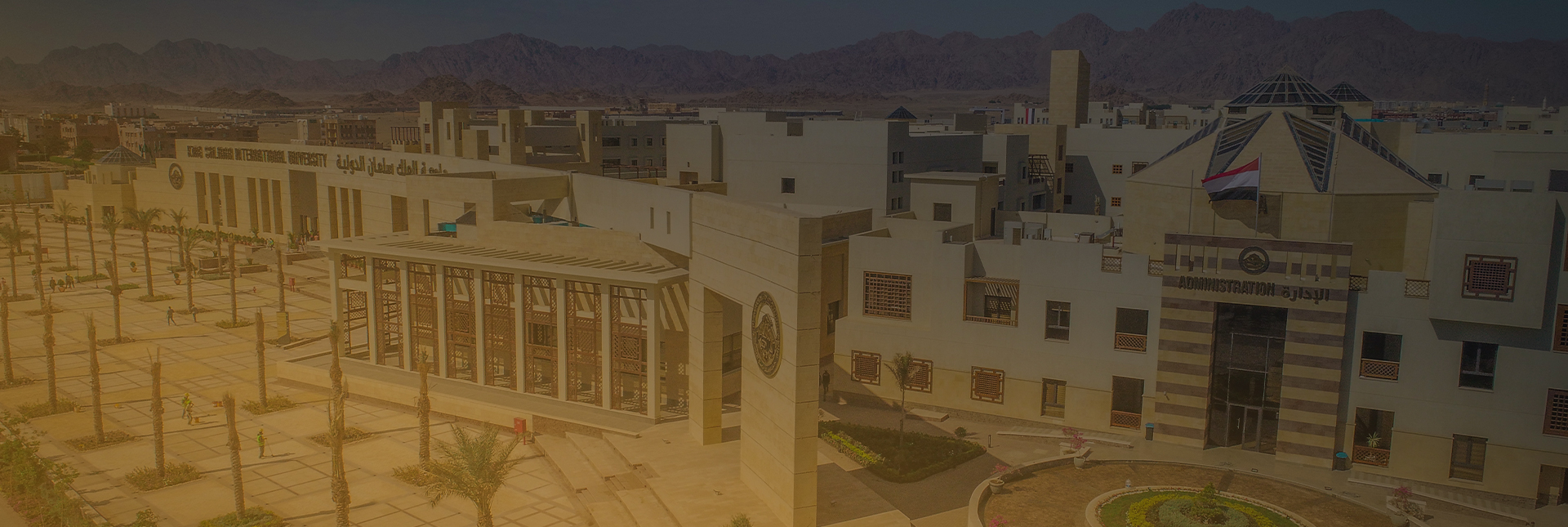
King Salman International University (KSIU) is a new smart university in the heart of Sinai-Egypt, consolidated by the Decree of the President of the Arab Republic of Egypt issuing Law No. 12 of 2009 Regulating Private and National Universities and it is executive regulations.

KSIU Operates on three smart campuses (Al Tur, Sharm El-Sheikh, Ras Sedur) and adopts innovative learning techniques and international standards.  

KSIU provides a higher education that promotes innovation and raises a generation capable of regional and global leadership to pioneering academic excellence and scientific research on an international scale.

Go Beyond Conventions & Experience the Future at KSIU!
Professor Ashraf Hussein
President Speech

Dear Students I am delighted you have chosen to study at our smart and distinctive university. We have a phrase here — “Beyond Conventional”—and this phrase summarizes the spirit of our university. Throughout your study at King Salman International University, you will have the opportunity to thrive both personally and academically. I would encourage you to take advantage of all that our campuses and community have to offer you. Our teaching and learning approach focuses on offering you the very best study programs that apply knowledge to real-world challenges. We do that by combining innovative learning technologies and ideas with our outstanding support and facilities both on campuses and through our digital services. Our graduates are in demand by global professions and industries all over the world. The very nature of King Salman's education allows you to benefit from our research-informed approach, underpinned by our rich values. We are dedicated to providing you with the leadership skills to be a global citizen and the expertise to one day become a leader in your chosen field. Lastly, becoming a KSIUian means you are part of a close-knit community that will support you from day one to achieve your vision of success. Here you will find the guidance and support: whether you want to develop your leadership skills, explore your passion for the arts, serve your community, conduct your own research, or pursue a career-defining internship. You will find mentors in our faculties, and through our campus’s rich social and cultural life, you will make connections and friendships that will last a lifetime. With best wishes, On behalf of all the staff, we look forward to supporting you to be a successful graduate of KSIU.

Professor Ashraf Hussein
KSIU President

Our Vision

To be a smart, pioneering university in teaching, learning, scientific research and community service locally, regionally and globally. The University will achieve excellence through creative thinking.

Our Mission

The University provides outstanding professional and academic programs to prepare qualified graduates who meet the local, regional, and international labour market needs. The University encourages innovation and creativity and carries out applied scientific research through effective partnerships with outstanding international universities and labour market institutions.

Our strategic objectives

King Salman International University seeks to achieve the following strategic objectives:

  • Qualification of graduates in various fundamental and human sciences fields at the level of bachelor, master, and doctorate.
  • Promoting awareness of various local, regional and global issues in all fields of applied and human sciences through applied scientific research that meets the needs of the local and international communities.
  • Continuous and practical development of the educational and
    research process and adoption of clear policies to market the results of scientific research.
  • Deployment of information and communication technology to the development of academic, research and administrative procedures.
  • Attracting international experts for resettlement and transfer of technology to produce researches that qualify for scientific leadership.
  • Activating the dynamic relationship between the outcomes of education and the requirements of the labour market.
    Giving attention to professionalism and moral responsibility and targeting continuing education programs.
  • We are strengthening the university’s role in producing and transferring knowledge and skills to serve the community and achieve the highest levels of academic excellence.
  • The University and its various entities should obtain international academic accreditation and strengthen its local and global ranking.

Our Core Values

img

Excellence

To strive to be the best in all that the universities offer in terms of education, academic research, creative expression and community service.

img

Innovation

Develop the spirit of innovation and excellence, and the application of the best global practices in all of the university activities.

img

Integration

Collaboration with international universities, government, public and private sectors to enforce the link between education and market needs.

img

Quality

Provide high-quality programs following international standards for education and learning in the fields of education and academic research.

img

Transparency

A clear strategic plan with practical dimensions that will raise the level of education and learning and produce prestigious research.

img

Self-Development

Providing students with an opportunity to engage in a lifestyle that contributes to their personal development.

img

Social Responsibility

Commitment to study the challenges facing Egypt, the region and the world by adapting the scientific potential to meet these challenges.

img

Lifelong Learning

The belief that the search for knowledge, understanding and personal development should last a lifetime and does not stop at a certain age.
Our Facilities

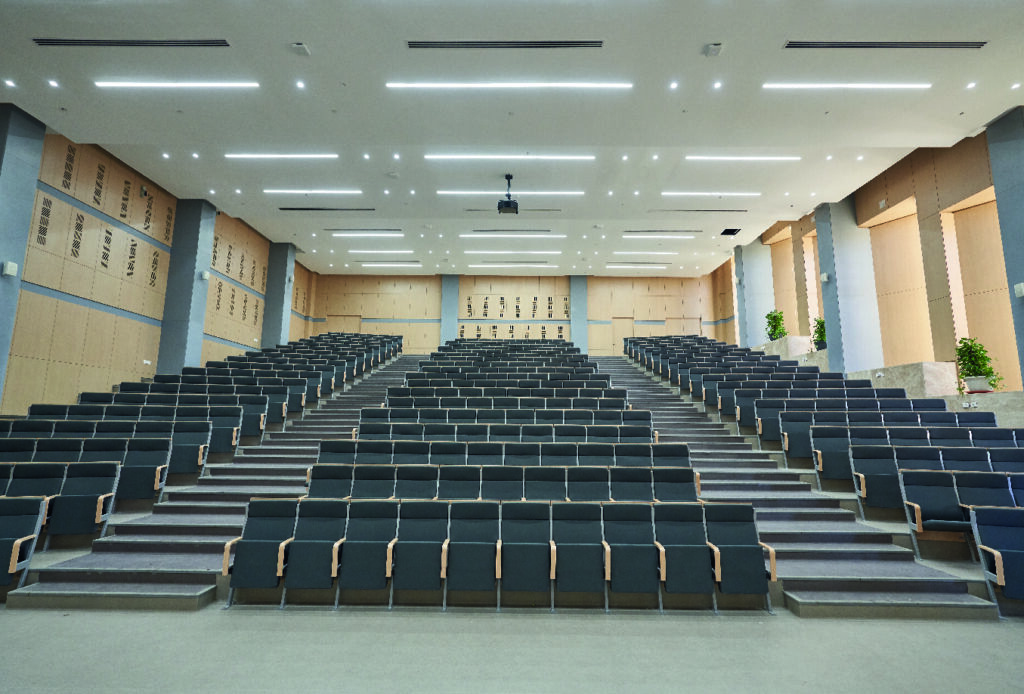
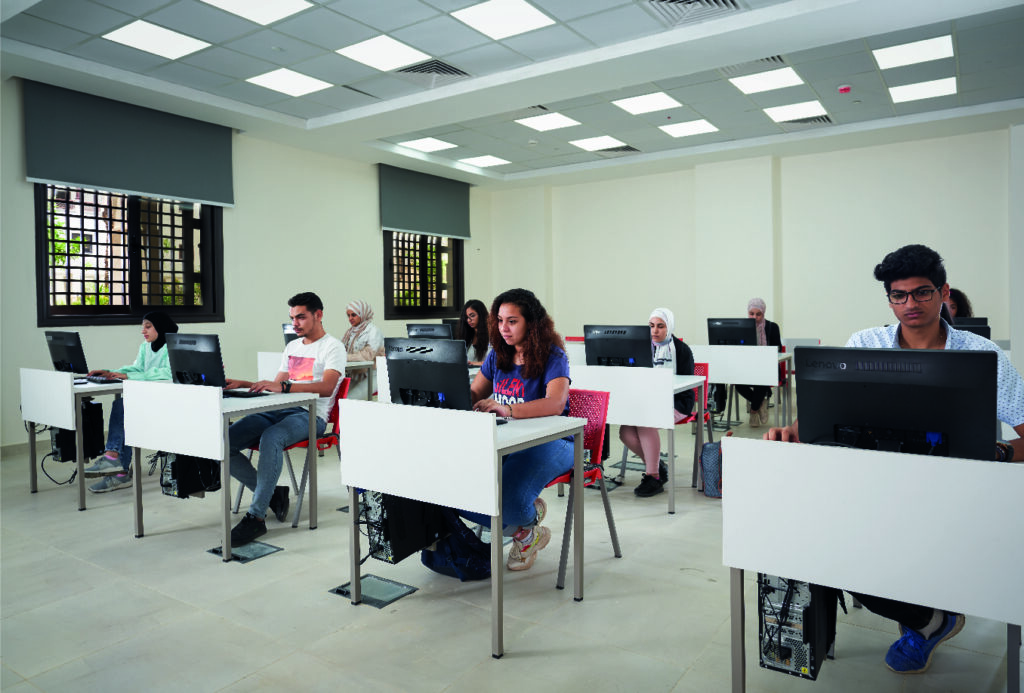
KSIU is operating from three smart campuses located in Sinai. The campuses are designed to deliver a non-conventional learning and living experience, through the IoT based smart system implemented all over the campus. This technology makes the campus efficient, green, safe and offers the student a revolutionized learning and assessment ( smart classrooms and labs ) experience. 

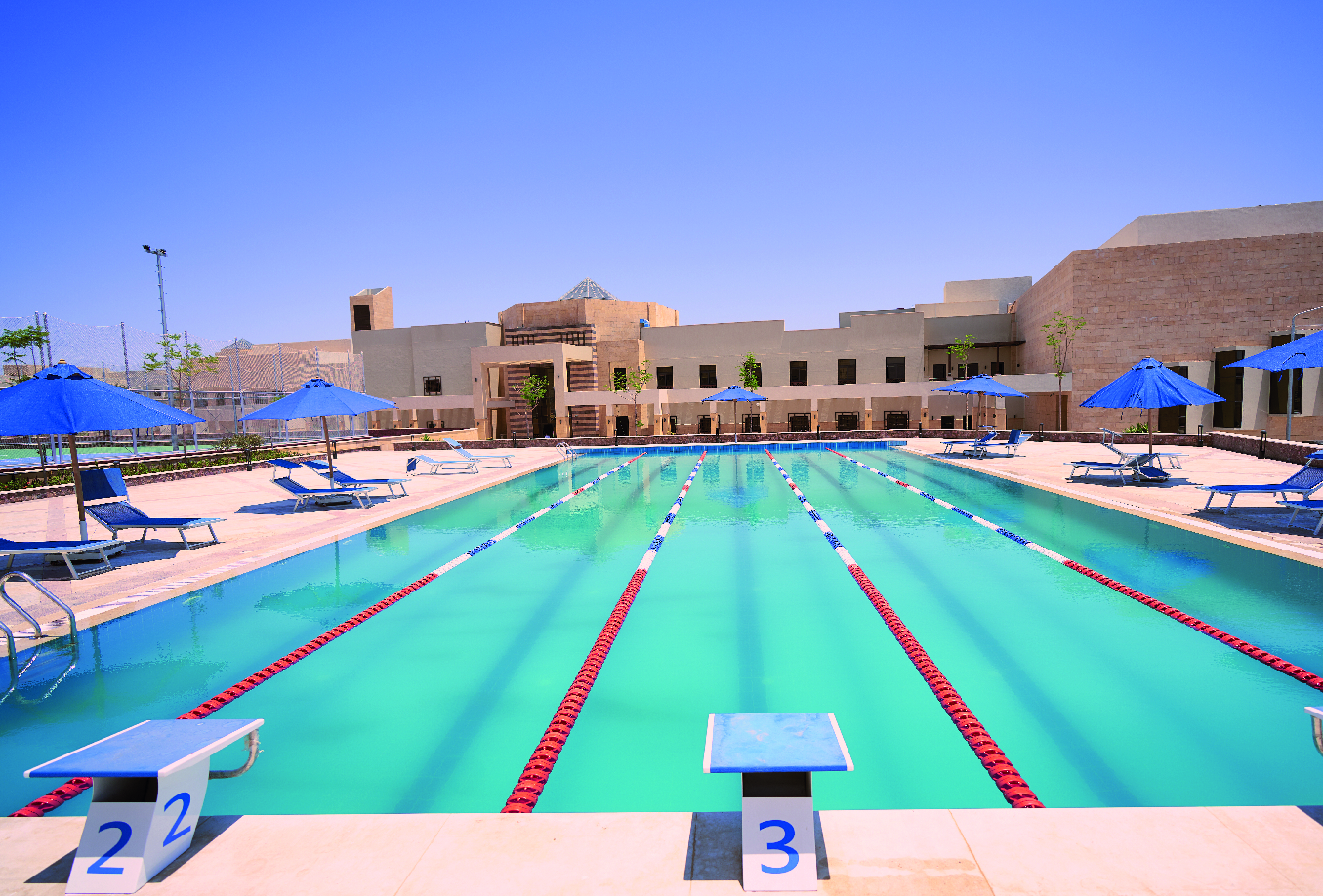
The culture at KSIU promotes the physical and mental wellbeing of students that’s why it offers them access to multiple athletic facilities on campus including a football court, tennis court, volleyball court, basketball court and a fully equipped gym.

Theater

Lecture Halls

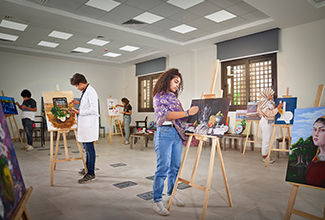
Classroom

Class Rooms

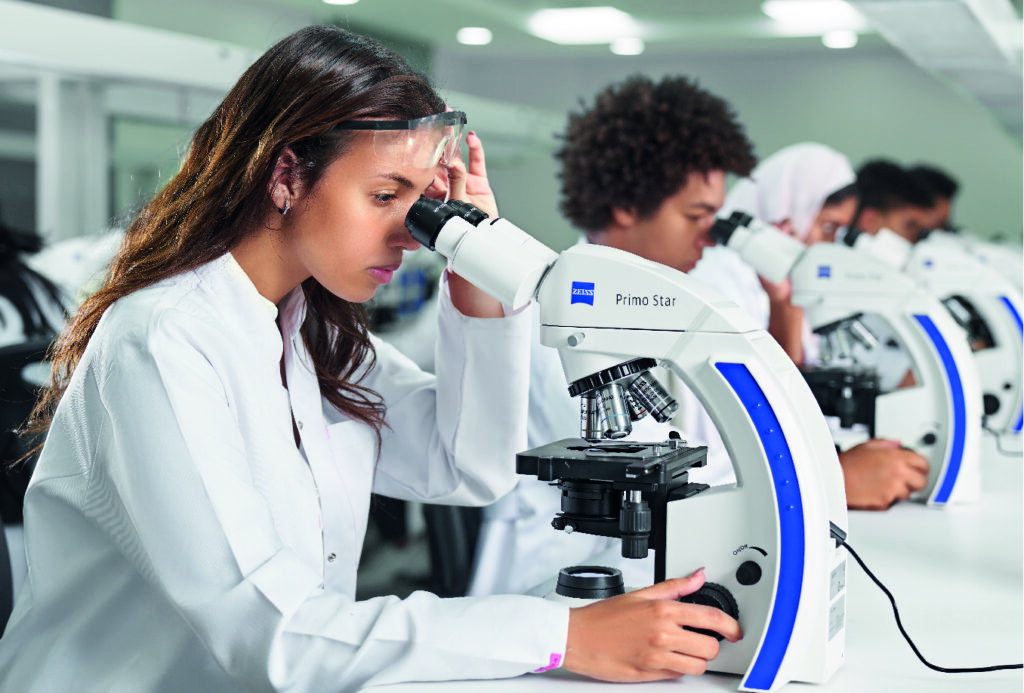
Labs

Labs

Workshop

Workshop

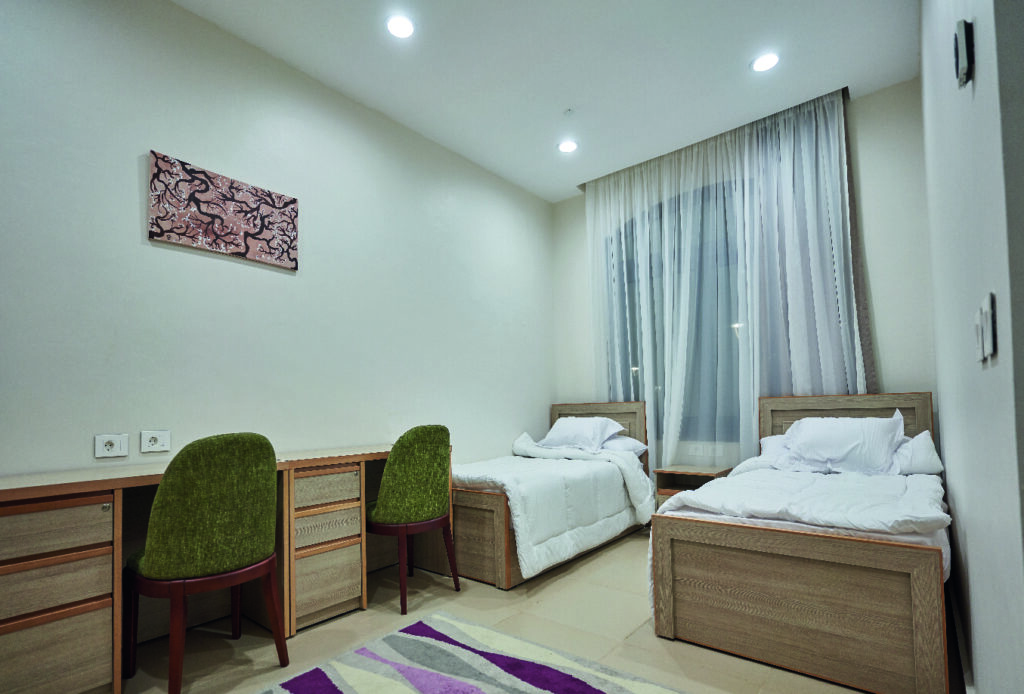
Dorms

Dorms

Sports

Sports Facilities

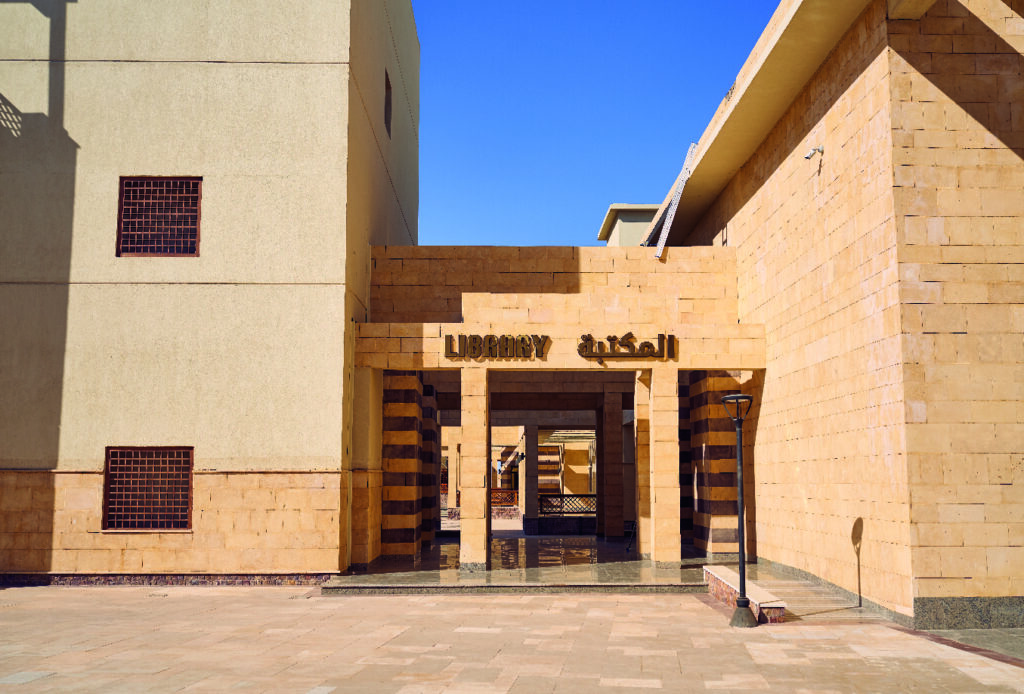
Library

Library

Smart Gates

Smart Gates

Subscribe Newsletter

To get more updates subscribe our newsletter

Centre Services

Through one-on-one guidance, practical simulations, and constructive feedback, students are equipped with the tools and strategies needed to navigate the job market successfully and make informed career decisions.

  1. Résumé Critique
    • Learn how to design and format a professional résumé that reflects key achievements and skills.
    • Understand how to tailor résumés for specific job roles and industries.
    • Apply techniques to ensure compatibility with Applicant Tracking Systems (ATS).
    • Receive individualized feedback to enhance clarity, accuracy, and impact.
  2. Mock Interview
    • Develop confidence and fluency in responding to common and behavioural interview questions.
    • Practice interview techniques using structured frameworks such as STAR.
    • Improve non-verbal communication, body language, and self-presentation skills.
    • Receive targeted feedback to strengthen performance in future interviews.
  3. Career Services
    • Explore suitable career paths based on personal interests, skills, and academic background.
    • Learn effective networking and job search strategies.
    • Gain insights into market trends and employer expectations.
    • Build a personalized career development plan to support long-term professional growth.

Specialized Courses

Through practical knowledge, hands-on projects, and sector-specific insights, the Specialized Courses ensure participants gain industry-relevant skills and the confidence needed to excel in their chosen fields and stand out in an increasingly competitive job market.

Soft Skills

  1. Presentation Skills
    Learn how to plan, structure, and deliver effective presentations.
    • Develop confidence in public speaking and audience engagement.
    • Use visual aids and storytelling techniques to enhance message clarity and impact.
    • Improve body language, tone, and overall presentation delivery.
  2. Teamwork Skills
    • Understand the principles of effective team dynamics and collaboration.
    • Learn how to contribute productively within diverse teams.
    • Develop conflict resolution, active listening, and problem-solving skills.
    • Foster leadership and accountability within group settings.
  3. Communication Skills
    • Strengthen verbal and written communication in professional contexts.
    • Learn to adapt communication style to different audiences and situations.
    • Practice active listening and constructive feedback.
    • Enhance interpersonal skills for effective networking and teamwork.
  4. Leadership 

1. Resume Writing & Critique

  • Learn how to create a professional resume tailored to job opportunities.
  • Understand the difference between CV and Resume.
  • Apply effective writing techniques to highlight skills and achievements.
  • Participate in a resume critique workshop to ensure your resume is ATS-friendly and market-ready.

2. Interview Techniques & Mock Interviews

  • Develop strong interviewing skills through practical training.
  • Learn how to answer behavioral and technical questions using frameworks like STAR.
  • Gain confidence through mock interviews with feedback from career advisors.
  • Improve communication, body language, and personal branding.

3. Job Search Techniques & LinkedIn Profile Building

  • Explore effective job search strategies and online platforms.
  • Learn how to analyze job descriptions and tailor applications accordingly.
  • Create and optimize a professional LinkedIn profile.
  • Build a strong online presence and network with potential employers.

Learning Outcomes

By completing the Career Bundle, students will be able to:

  • Develop a market-oriented resume and professional online profile.
  • Demonstrate strong interview and communication skills.
  • Apply effective job search strategies to secure internships and full-time roles.

Various workshops were delivered by graduates who hold accredited certificates in their fields, in cooperation with student and scientific societies at the university.

 This approach aims to build graduates’ confidence and strengthen their instructional and presentation skills under the supervision of UCCD professional trainers to ensure quality delivery. Examples include student groups such as KMSA, KART, and SSC.

A seminar on innovation and Artificial Intelligence (AI) was organized for students at the Ras Sedr branch. Offering special programs to promote innovation and entrepreneurship. Organizing seminars on establishing small businesses and freelance work. 

Creating an enabling environment for innovators through initiatives such as 'Be Ready' and 'One Million Qualified Innovators.'

The center actively engaged with companies and organized a Career Fair.

 Organizing employment fairs and professional networking events to connect students and graduates with employers. 

Providing internship and employment opportunities in both the public and private sectors. Training industrial students under the European Union grant.

Conducting ABOUT 80 sessions for all final-year students.

 Providing one-on-one counseling sessions to help students explore their career interests and set their goals. Assisting students with writing and reviewing their CVs properly.

A total of 110 workshops were conducted for all final-year students during the 2024/2025 academic year, with a total of 2,355 trainees (Excel sheet attached). 

Delivering high-quality training programs to develop personal and professional skills. Organizing workshops and lectures (e.g., CV writing, job interviews, marketing, and entrepreneurship).

Technical Support and Accreditation Readiness Committee carries out the following activities:


  1. Providing technical support to the Quality Assurance Units in the faculties for managing quality systems and monitoring the implementation of related procedures.
  2. Offering technical support to the university’s faculties to obtain local and international accreditation.
  3. Designing and developing monitoring and evaluation templates to ensure the quality of various activities within the university.
  4. Preparing and implementing field visit plans or periodic meetings with the Quality Assurance Units in the faculties—either in person or remotely.
  5. Preparing an annual report on the committee’s activities and submitting it to the Director of the Center.

Strategic Plan Implementation Monitoring Committee undertakes the following activities:


  1. Regularly reviewing the university’s vision and mission in light of new developments, and supervising their periodic update with the participation of all relevant stakeholders.
  2. Developing the university’s environmental analysis methodology and setting implementation plans that ensure the participation of all parties, in coordination with the Center’s administration.
  3. Supervising the preparation of environmental analysis tools, ensuring their appropriateness for the targeted groups of each tool.
  4. Proposing updates or modifications to the university’s strategic plan and ensuring it is communicated to all concerned parties through various channels.
  5. Following up on the implementation of the university’s strategic plan activities.
  6. Providing technical support to faculties in preparing and following up the implementation of their strategic plans in alignment with the university’s overall strategy.
  7. Organizing training sessions in the field of strategic planning for faculty members and teaching assistants, delivered by the National Authority for Quality Assurance and Accreditation, in coordination with the Center’s Training Unit.
  8. Preparing an annual report on the committee’s activities and submitting it to the Director of the Center.

Training and Human Resources Development Committee undertakes the following activities:


  1. Preparing the Center’s annual training plan to meet the needs of the Center’s internal committees as well as the faculties and administrative departments of the university regarding educational quality. This is based on training needs assessment results, followed by the design of appropriate training programs.
  2. Implementing training courses designed by the Center and issuing certificates upon completion.
  3. Coordinating the organization of training programs offered by the National Authority for Quality Assurance and Accreditation of Education (NAQAAE) or other relevant entities.
  4. Measuring the impact of training, evaluating its outcomes and effectiveness, and preparing the required reports.
  5. Providing awareness and technical support in the field of training to the Center’s internal committees and to the training committees of the Quality Assurance Units in the faculties.
  6. Establishing a comprehensive database that includes all training programs conducted by or under the supervision of the Center, including the number and names of participants, as well as follow-up and evaluation reports for each course.
  7. Preparing an annual report on the committee’s activities and submitting it to the Director of the Center.

Measurement and Assessment Committee carries out the following activities:


  1. Promoting a culture of measurement and assessment and raising awareness of the importance of developing assessment processes as a cornerstone of improving the university’s educational system.
  2. Providing technical support to faculties in reviewing assessment methods, tools, and examination results.
  3. Issuing guidelines and regulations for developing assessment and examination systems in accordance with the approved National Academic Reference Standards (NARS), and disseminating them among the faculties’ measurement and assessment committees.
  4. Training faculty and teaching assistants in measurement and assessment techniques in collaboration with the Training Committee.
  5. Following up on the preparation and updating of question banks for academic courses in alignment with learning outcomes and program academic standards.
  6. Monitoring satisfaction indicators among students and faculty regarding assessment systems, student evaluation, and examinations within faculties.
  7. Reviewing and preparing annual examination evaluation reports, developing executive plans for corrective actions to address weaknesses, and enhancing strengths.
  8. Encouraging faculties—especially those with large student numbers—to apply electronic assessment systems, including e-examinations, e-marking, and exam results analysis.
  9. Providing technical support to faculties’ measurement and assessment committees in conducting statistical analysis of automated grading results.

Surveys, Publication, and Sustainability Committee performs the following activities:


  1. Designing surveys to collect feedback from all relevant stakeholders, including:
    • Internal stakeholders (faculty members, teaching assistants, students, and administrative staff) regarding the performance and activities of the university/faculty.
    • External stakeholders, such as employers and community beneficiaries, regarding the quality and competence of graduates.
    • Field training providers, to evaluate and improve students’ skills through continuous feedback.
  2. Collecting, analyzing, and summarizing survey results from the various faculties, and proposing corrective actions in coordination with the concerned faculties.
  3. Conducting satisfaction surveys for participants in training programs organized by the Quality Assurance and Accreditation Center, analyzing data, and preparing statistical reports to be presented and discussed at the University Council.