
Board of Trustees

img
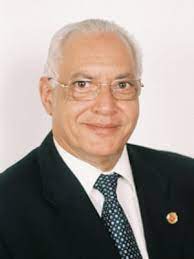
Prof. Mohamed Abdel-Hamid Shaira

BoT Chairman

Professor, Faculty of Engineering, Ain Shams University and National universities Coordinator
img
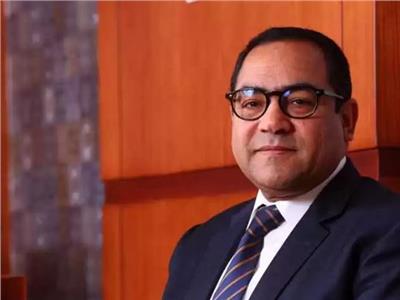
Prof. Saleh Abdel-Rahman Al-Sheikh 

BoT Vice-Chairman 

Head of the Central Agency for Organizations and Administration
img
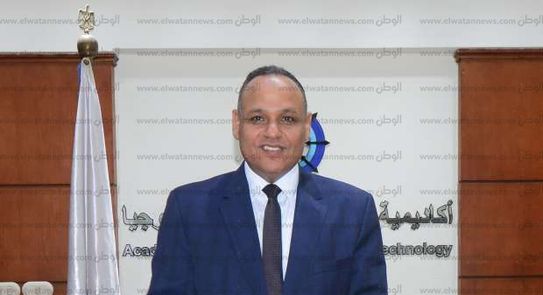
Prof. Mahmoud Abdel Latif Saqr 

BoT Secretary-General

President of The Academy of Scientific Research & Technology
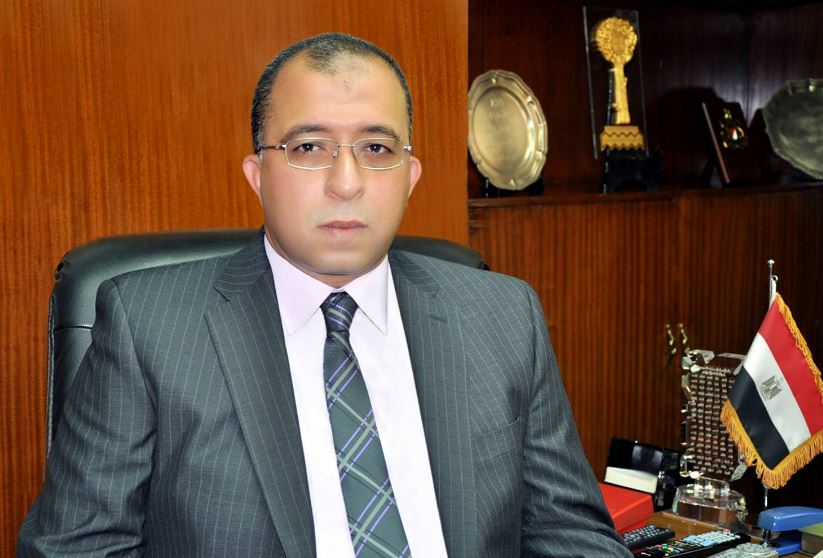
img
Prof. Ashraf El-Sayed El-Araby

BoT Member 

President of National Planning Institute 
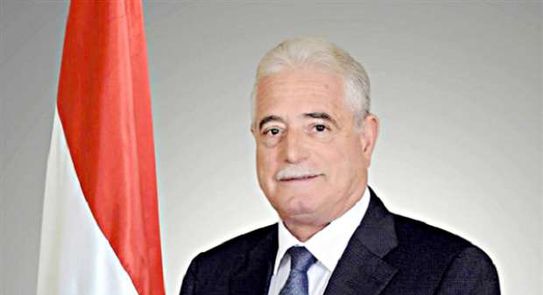
img
Major General. Khaled Fouda

BoT Member

Governor of South Sinai

img
Prof. Ali El-Din Helal 

BoT Member 

Professor of Political Science at Cairo University 
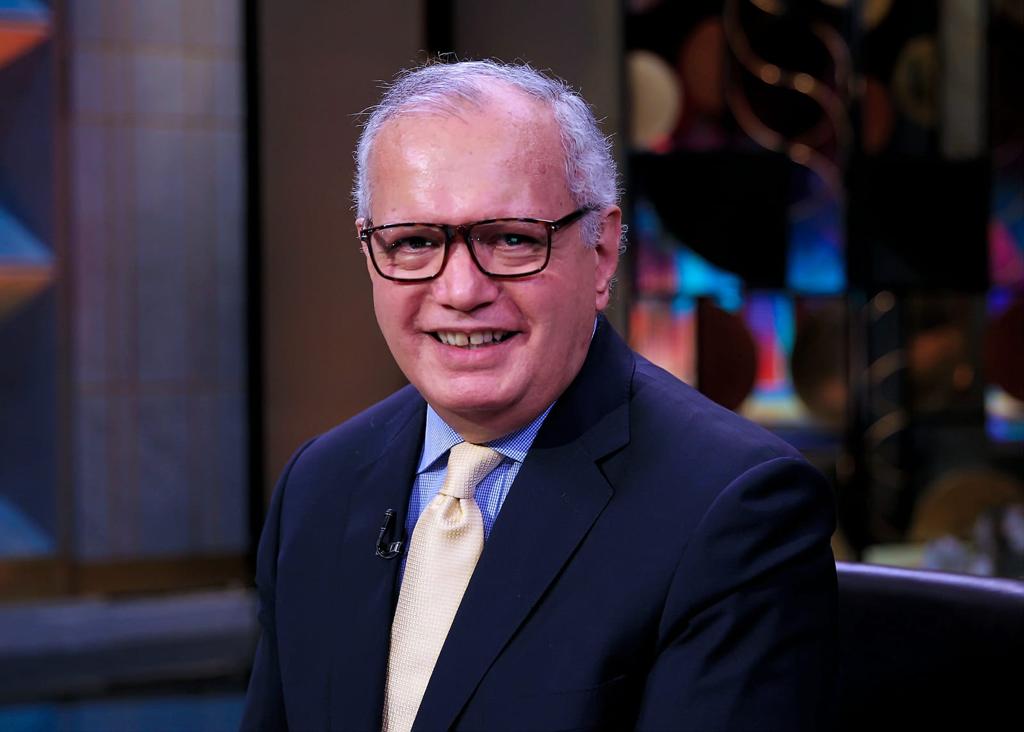
img
Ambassador. Mohamed Abdel-Hay Orabi 

BoT Member

Former Minister of Foreign Affairs 
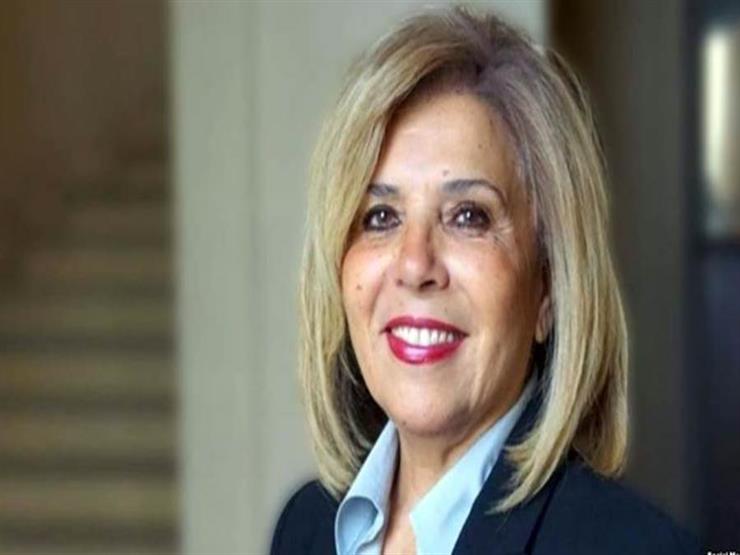
img
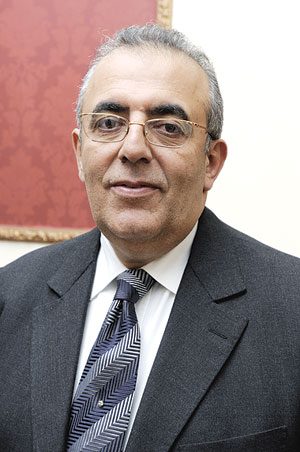
Prof.  Mosheera Mahmoud Khattab 

BoT Member 

President of  The National Council for Human Rights
img
Prof. Hatem Mostafa El-Gabaly 

BoT Member  

Former Ministry of Health

img
Mr. Adel Hammouda 

BoT Member 

 Journalist

img
Mr. Mohammad Mohammad Abu Al-enein

BoT Member 

Deputy speaker of the Egyptian Parliament  

img
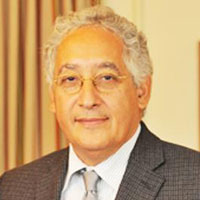
Major General. Ehab El Far 

BoT Member 

President, The  Armed Forces Engineering Authority
img
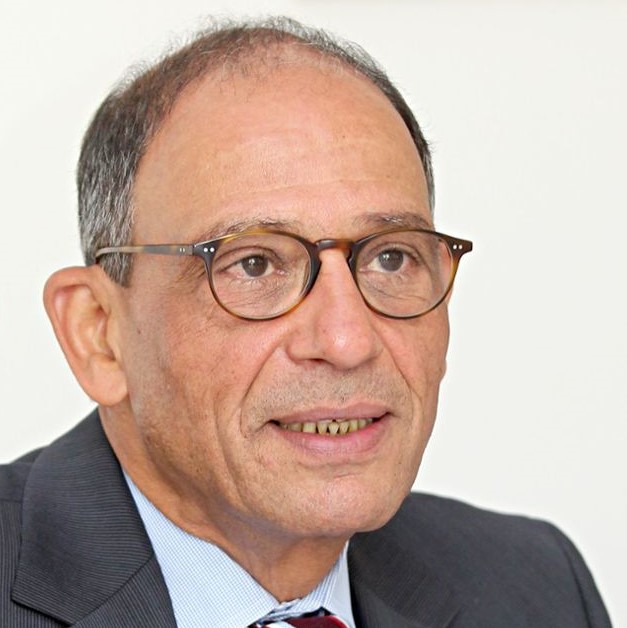
Prof. Amr Abdel-Rahman Shaarawy

BoT Member 

Former Regional Director of the American University
img
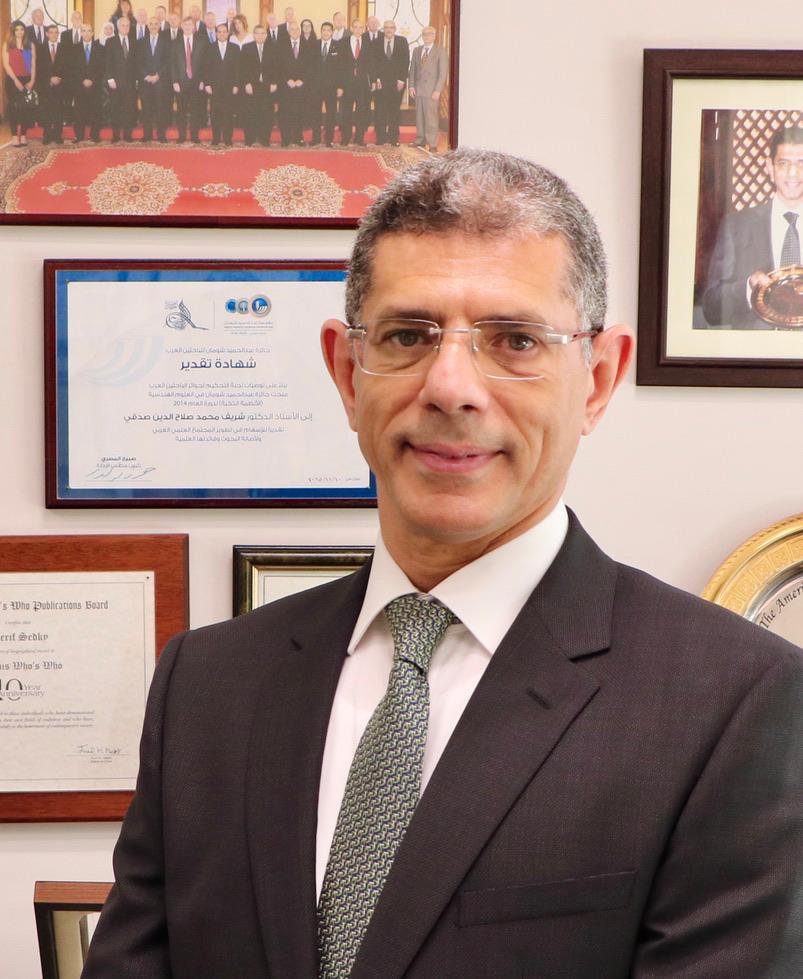
Prof. Hany Helmy Azer 

BoT Member 

The Egyptian president’s advisor for engineering affairs and projects
img
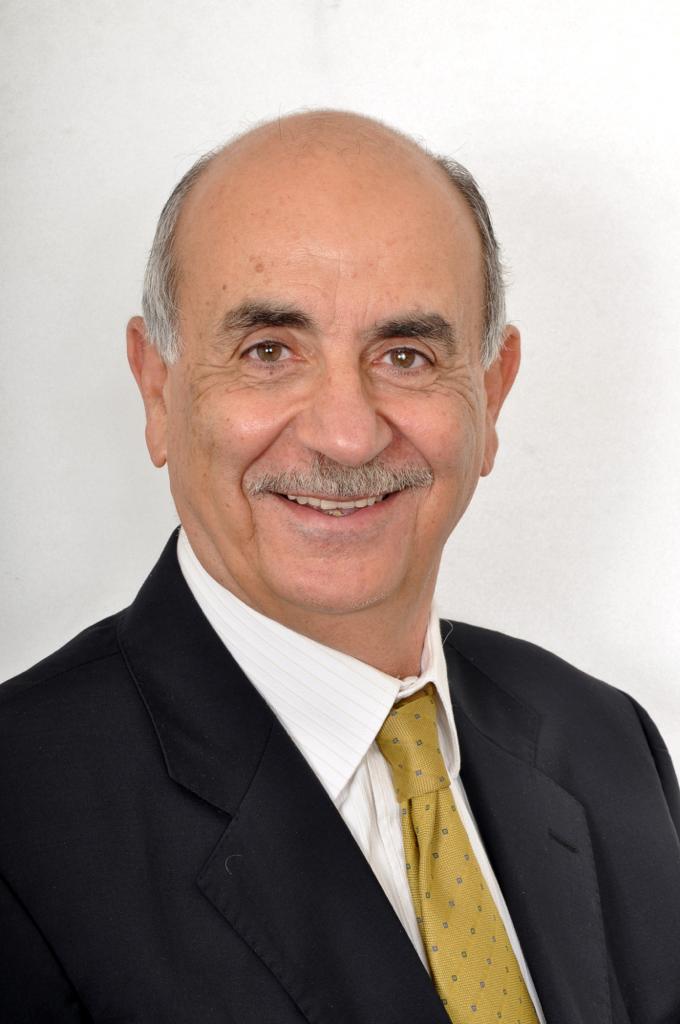
Prof. Dr. Sherif Mohamed Salah El-Din Sedk

BoT Member 

Vice President of New Giza University
img
Mr. Al Moataz Adel El-Alfi

BoT Member 

Businessman
img
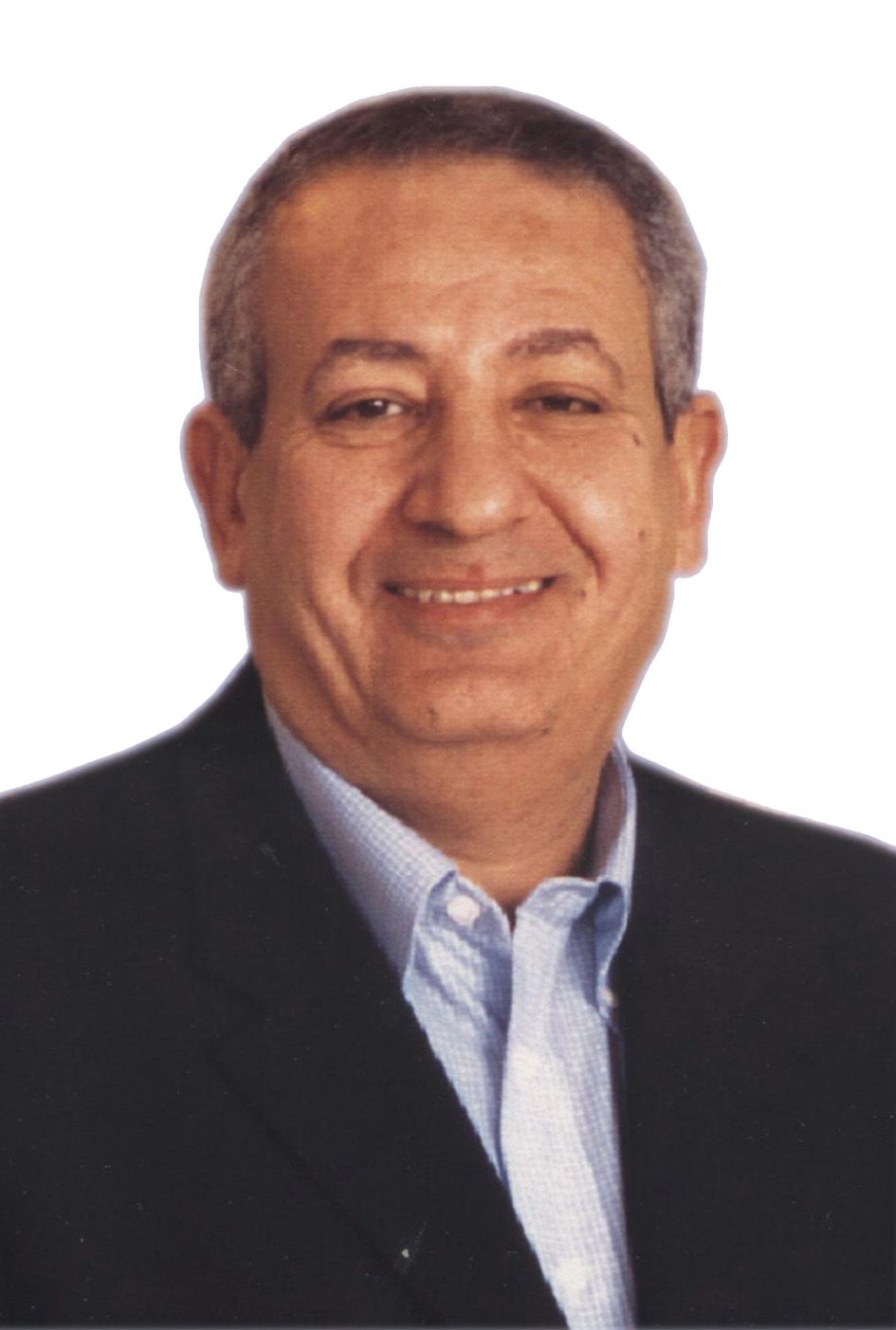
Mr. Kamel Hassan Abou-Ali 

BoT Member 

Businessman

Subscribe Newsletter

To get more updates subscribe our newsletter

Technical Support and Accreditation Readiness Committee carries out the following activities:


  1. Providing technical support to the Quality Assurance Units in the faculties for managing quality systems and monitoring the implementation of related procedures.
  2. Offering technical support to the university’s faculties to obtain local and international accreditation.
  3. Designing and developing monitoring and evaluation templates to ensure the quality of various activities within the university.
  4. Preparing and implementing field visit plans or periodic meetings with the Quality Assurance Units in the faculties—either in person or remotely.
  5. Preparing an annual report on the committee’s activities and submitting it to the Director of the Center.

Strategic Plan Implementation Monitoring Committee undertakes the following activities:


  1. Regularly reviewing the university’s vision and mission in light of new developments, and supervising their periodic update with the participation of all relevant stakeholders.
  2. Developing the university’s environmental analysis methodology and setting implementation plans that ensure the participation of all parties, in coordination with the Center’s administration.
  3. Supervising the preparation of environmental analysis tools, ensuring their appropriateness for the targeted groups of each tool.
  4. Proposing updates or modifications to the university’s strategic plan and ensuring it is communicated to all concerned parties through various channels.
  5. Following up on the implementation of the university’s strategic plan activities.
  6. Providing technical support to faculties in preparing and following up the implementation of their strategic plans in alignment with the university’s overall strategy.
  7. Organizing training sessions in the field of strategic planning for faculty members and teaching assistants, delivered by the National Authority for Quality Assurance and Accreditation, in coordination with the Center’s Training Unit.
  8. Preparing an annual report on the committee’s activities and submitting it to the Director of the Center.

Training and Human Resources Development Committee undertakes the following activities:


  1. Preparing the Center’s annual training plan to meet the needs of the Center’s internal committees as well as the faculties and administrative departments of the university regarding educational quality. This is based on training needs assessment results, followed by the design of appropriate training programs.
  2. Implementing training courses designed by the Center and issuing certificates upon completion.
  3. Coordinating the organization of training programs offered by the National Authority for Quality Assurance and Accreditation of Education (NAQAAE) or other relevant entities.
  4. Measuring the impact of training, evaluating its outcomes and effectiveness, and preparing the required reports.
  5. Providing awareness and technical support in the field of training to the Center’s internal committees and to the training committees of the Quality Assurance Units in the faculties.
  6. Establishing a comprehensive database that includes all training programs conducted by or under the supervision of the Center, including the number and names of participants, as well as follow-up and evaluation reports for each course.
  7. Preparing an annual report on the committee’s activities and submitting it to the Director of the Center.

Measurement and Assessment Committee carries out the following activities:


  1. Promoting a culture of measurement and assessment and raising awareness of the importance of developing assessment processes as a cornerstone of improving the university’s educational system.
  2. Providing technical support to faculties in reviewing assessment methods, tools, and examination results.
  3. Issuing guidelines and regulations for developing assessment and examination systems in accordance with the approved National Academic Reference Standards (NARS), and disseminating them among the faculties’ measurement and assessment committees.
  4. Training faculty and teaching assistants in measurement and assessment techniques in collaboration with the Training Committee.
  5. Following up on the preparation and updating of question banks for academic courses in alignment with learning outcomes and program academic standards.
  6. Monitoring satisfaction indicators among students and faculty regarding assessment systems, student evaluation, and examinations within faculties.
  7. Reviewing and preparing annual examination evaluation reports, developing executive plans for corrective actions to address weaknesses, and enhancing strengths.
  8. Encouraging faculties—especially those with large student numbers—to apply electronic assessment systems, including e-examinations, e-marking, and exam results analysis.
  9. Providing technical support to faculties’ measurement and assessment committees in conducting statistical analysis of automated grading results.

Surveys, Publication, and Sustainability Committee performs the following activities:


  1. Designing surveys to collect feedback from all relevant stakeholders, including:
    • Internal stakeholders (faculty members, teaching assistants, students, and administrative staff) regarding the performance and activities of the university/faculty.
    • External stakeholders, such as employers and community beneficiaries, regarding the quality and competence of graduates.
    • Field training providers, to evaluate and improve students’ skills through continuous feedback.
  2. Collecting, analyzing, and summarizing survey results from the various faculties, and proposing corrective actions in coordination with the concerned faculties.
  3. Conducting satisfaction surveys for participants in training programs organized by the Quality Assurance and Accreditation Center, analyzing data, and preparing statistical reports to be presented and discussed at the University Council.